

Soil Stabilisation
Reduces the mobility of contaminants by adding binders to produce stable and solid constituents.

Introduction
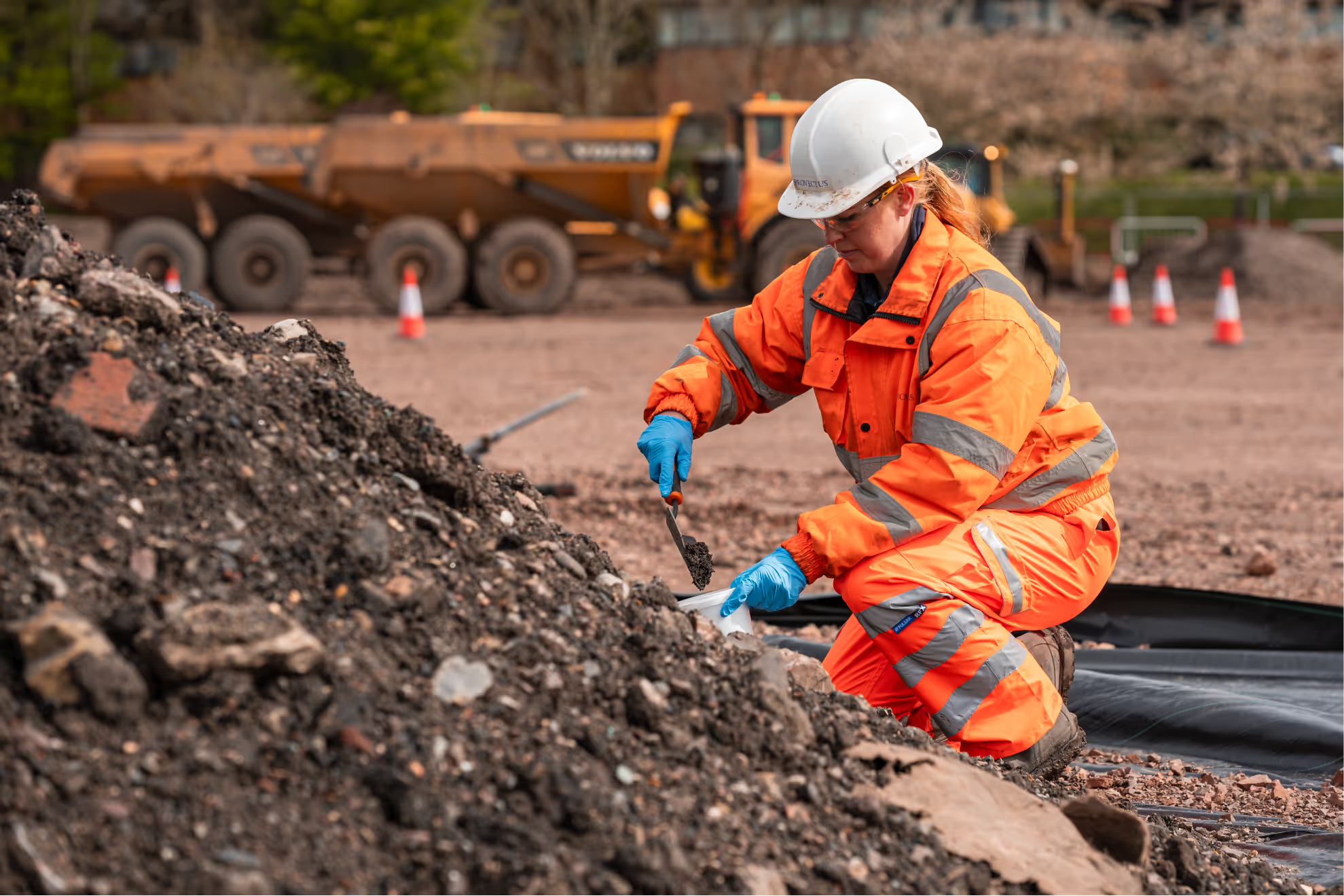
Stabilisation/Solidification is a soil remediation technology that uses inorganic cementitious binders such as Portland cement or lime to reduce the mobility of contaminants and transform contaminated material into a solid, non-leachable product.
Soil stabilisation involves the addition of reagents to produce more chemically stable constituents. Solidification stabilisation involves the addition of reagents to impart physical stability, encapsulating contaminants and reducing access by external agents such as air and rainfall. In addition to physical encapsulation, chemical interactions between waste and binder further lock contaminants into the treated material.
Remediation techniques




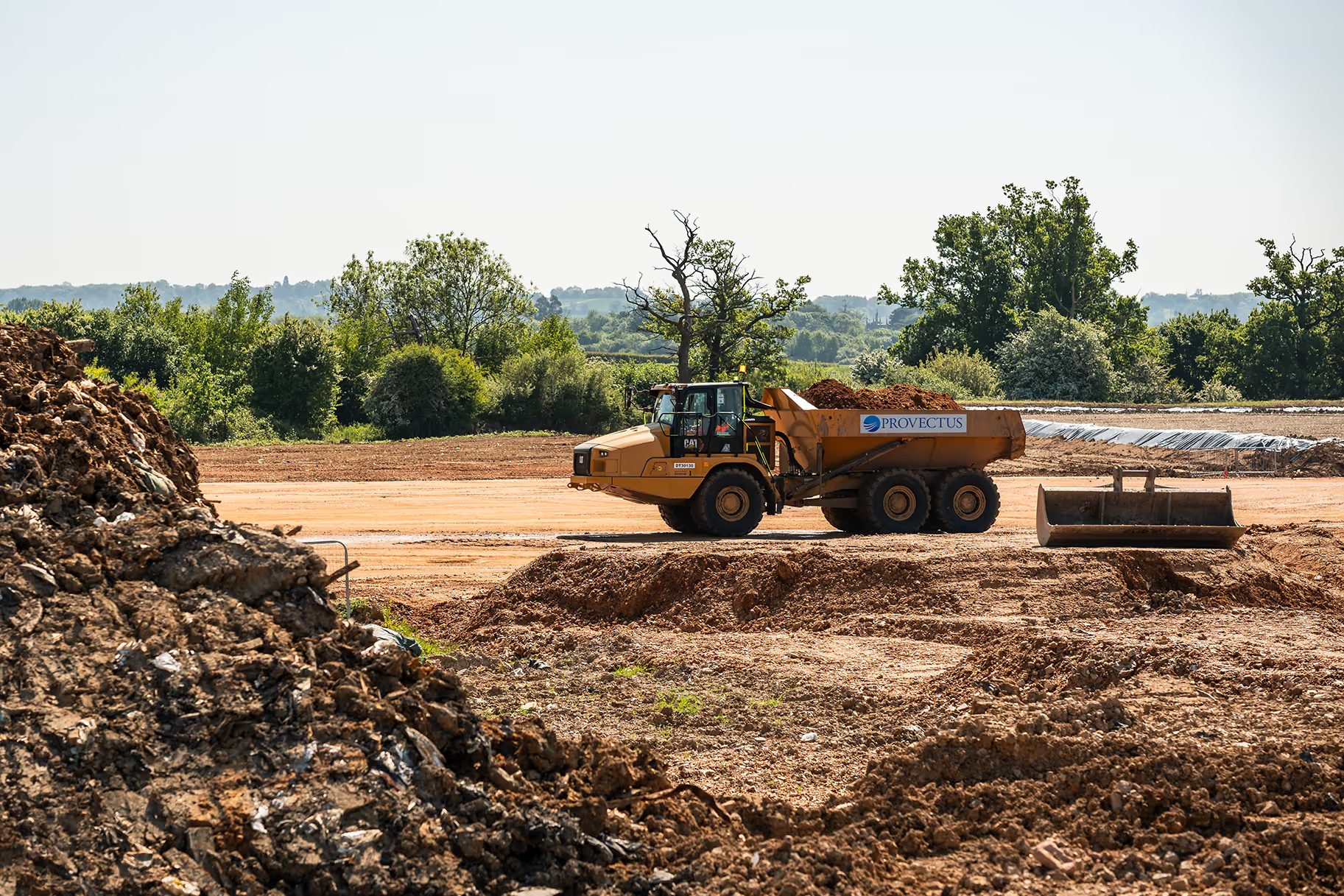
S/S is well suited to sites with heterogeneous made ground soils, where contaminant variability makes other techniques less reliable. It offers rapid implementation, immediate site stabilisation, and is cost-competitive with alternative remediation methods including landfill disposal. Treated material can be reused as aggregate in construction, supporting sustainable development outcomes.
Site Clearance
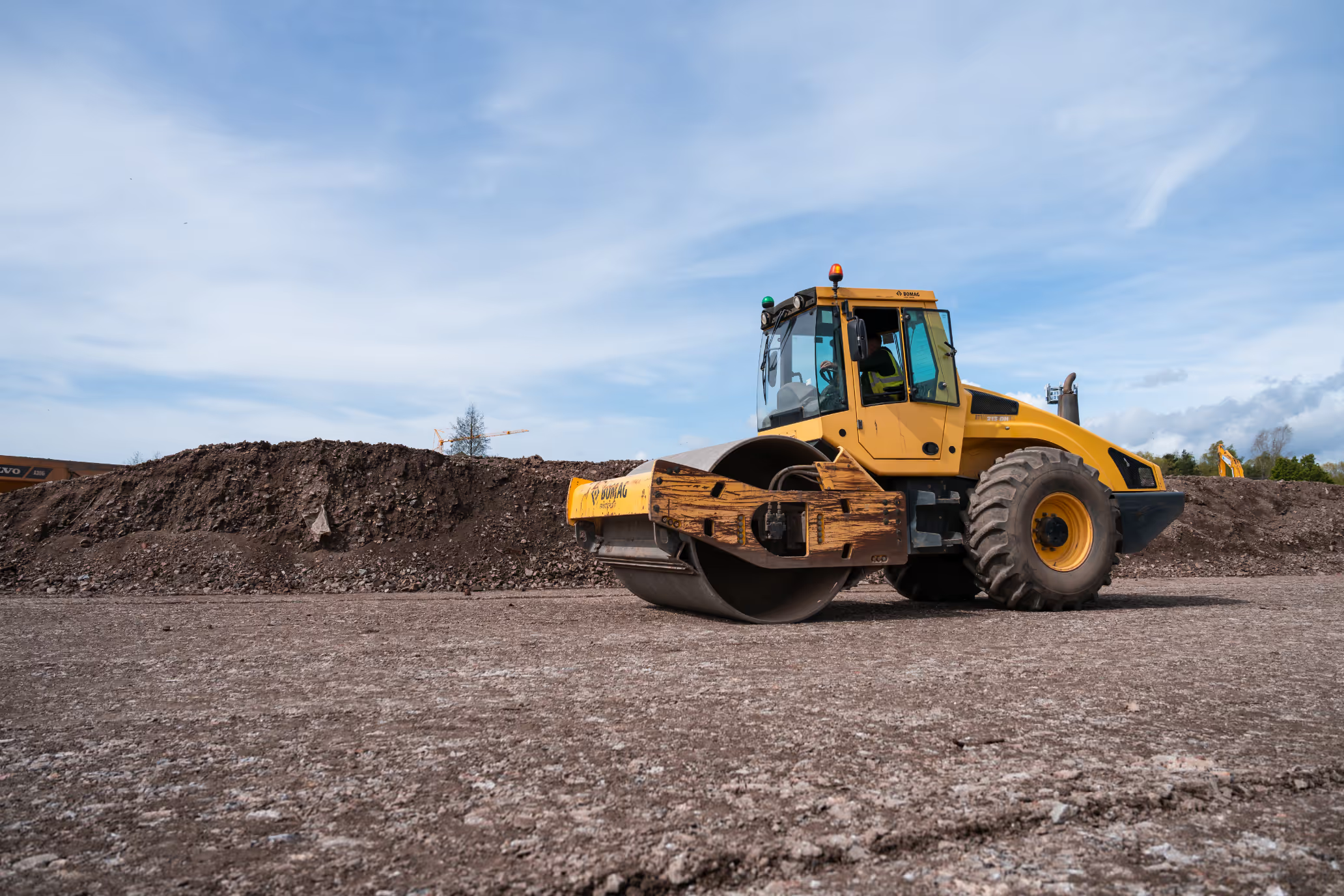
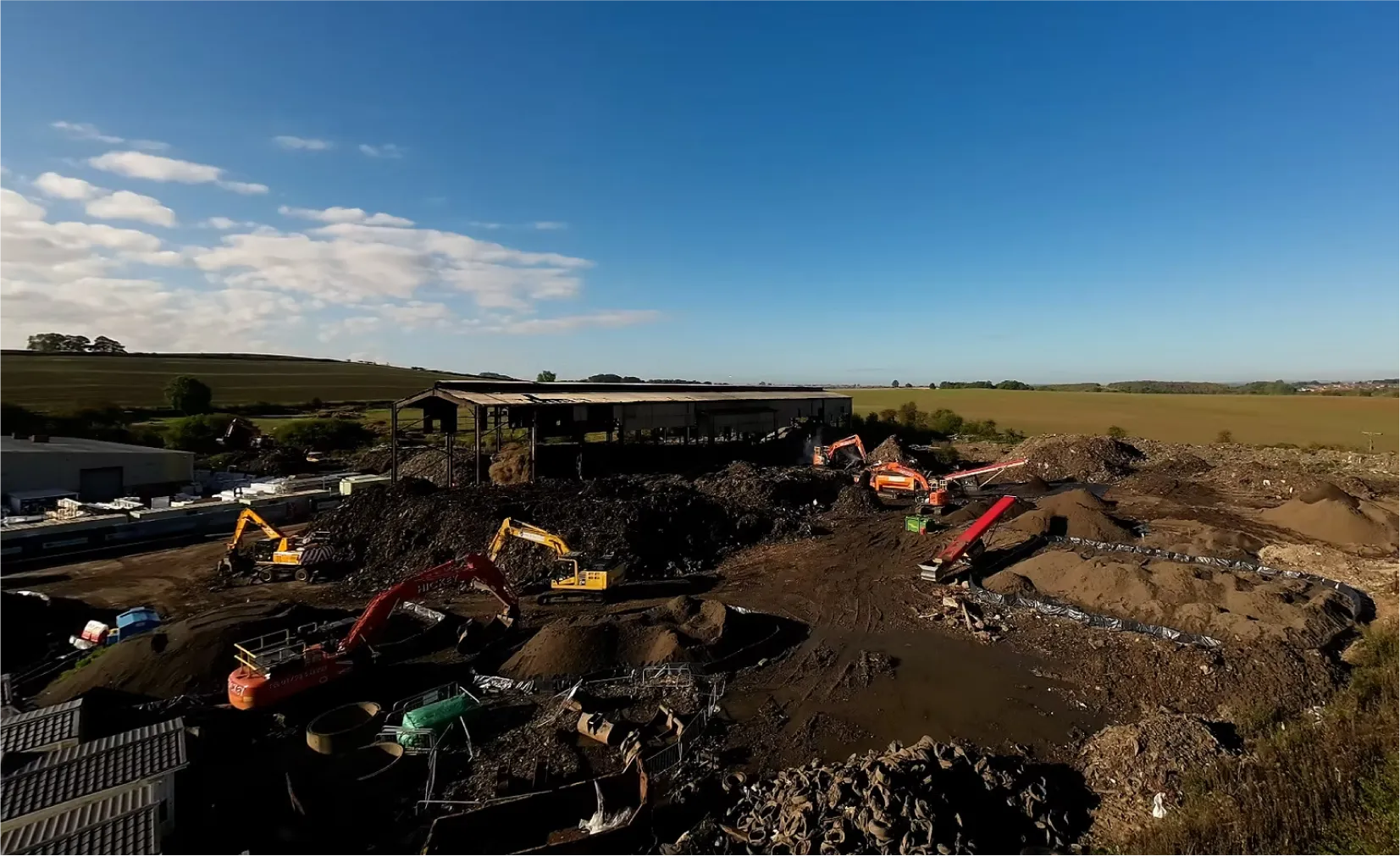
Before work can begin, it is often necessary to clear the site of any existing structures, vegetation, and waste.

Get in touch today


