

Monitored Natural Attenuation
Monitoring groundwater to confirm whether natural processes are decreasing contaminant concentrations.


Introduction
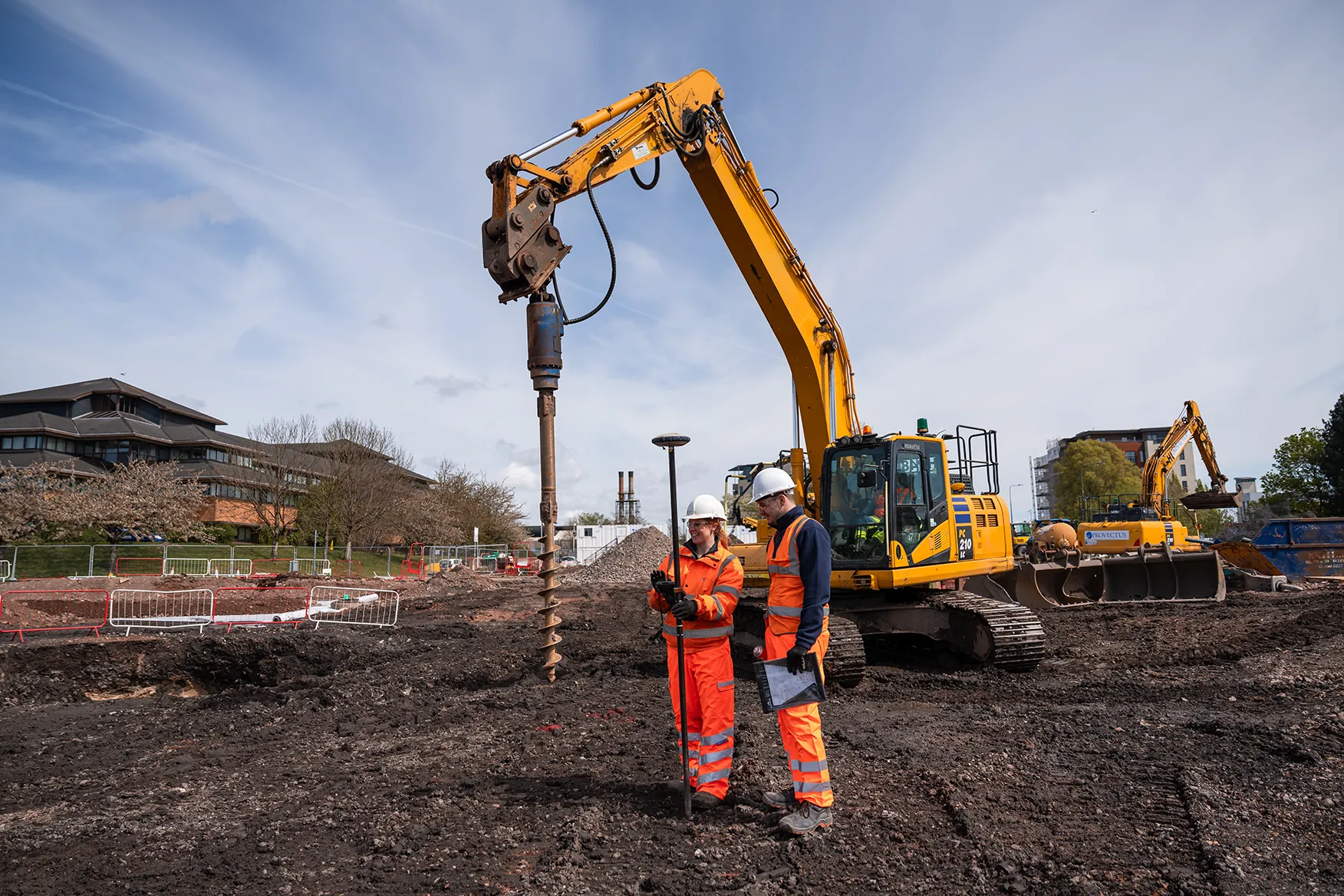
Monitored Natural Attenuation (MNA) uses natural physical, chemical and biological processes to decrease contaminant concentrations, flux and toxicity in soil and groundwater, without active intervention. Regular natural attenuation monitoring confirms whether these processes are operating at a sufficient rate to protect the wider environment and achieve remedial objectives within an acceptable timescale.
MNA remediation works most successfully where source removal of the pollutant has taken place. Buried waste or a source such as a fuel storage tank must be treated, removed and disposed of properly before natural processes can degrade residual contaminants efficiently. It is suitable for almost any hydrocarbon spill in soils or groundwater and is most suited to commercial and industrial sites where processes are being continued.
Remediation techniques










MNA is not a "do nothing" way to clean up sites. Regular monitoring is needed to make sure pollution doesn't migrate off site or pose a significant risk to other receptors. While MNA can be cost effective as it requires less equipment and labour than most methods, long term natural attenuation monitoring programmes carry their own costs, and regulators may place restrictions on development whilst monitoring is ongoing.

Site Clearance
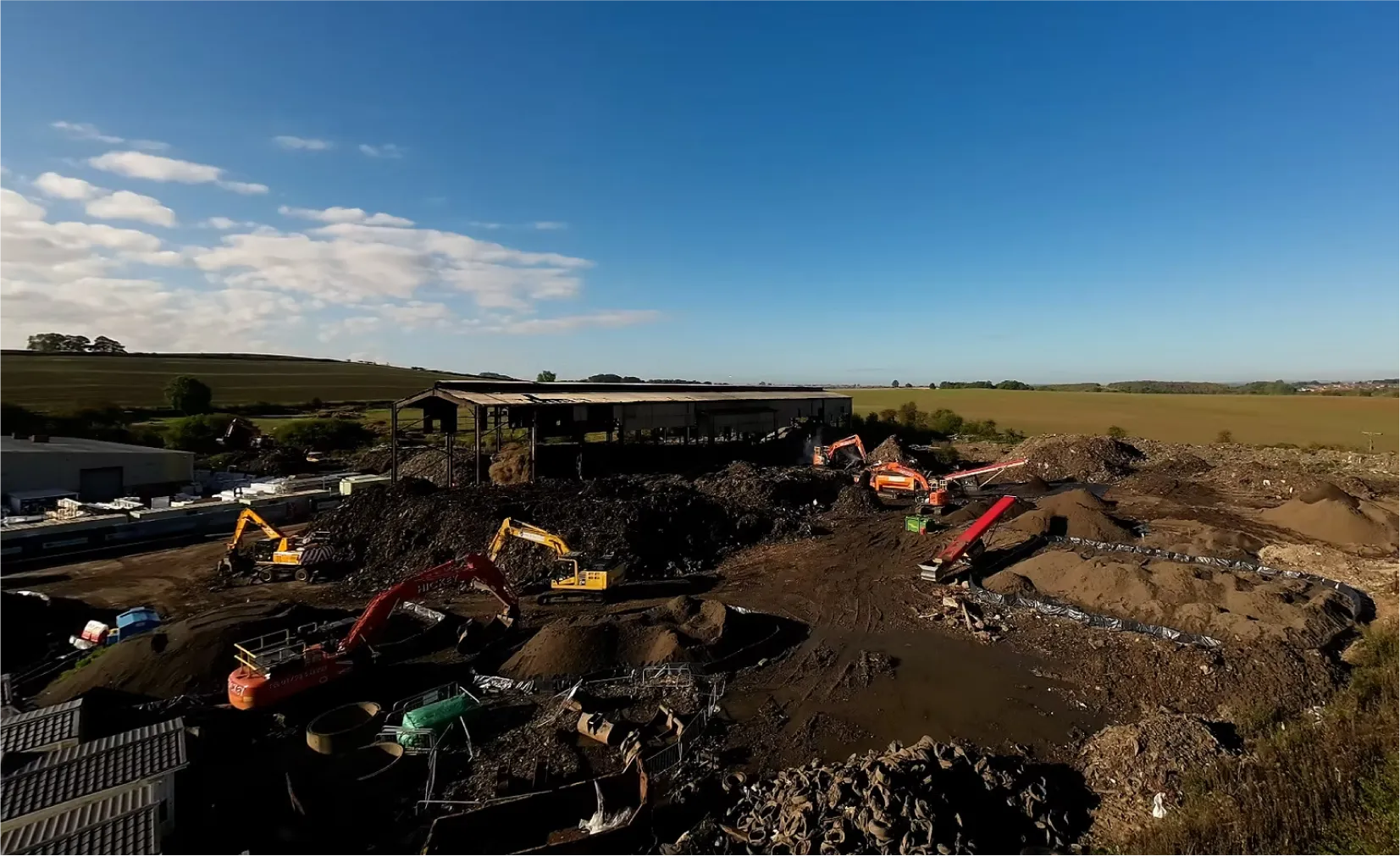
Before work can begin, it is often necessary to clear the site of any existing structures, vegetation, and waste.


Get in touch today


