

Bioremediation
We use bioremediation to clean up contaminated soil and water by breaking down hazardous substances with the help of living organisms and nutrients.


Introduction
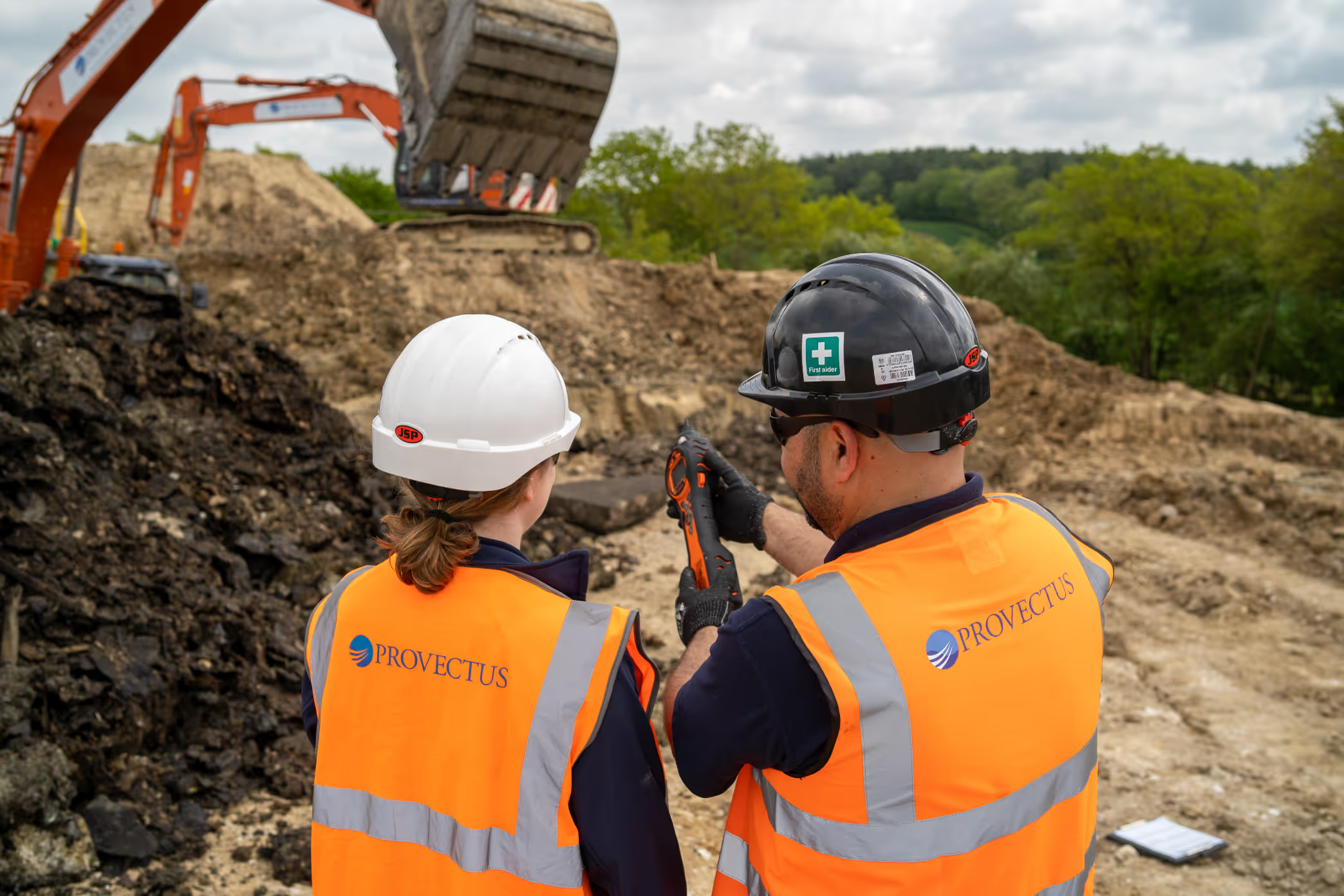
Bioremediation uses biological processes to break down or degrade hazardous substances into less toxic or nontoxic substances thereby cleaning up contaminated soil or water. Where natural biological activity requires enhancement, Provectus applies bioaugmentation – the addition of non-indigenous living organisms and/or nutrients to the soil or water to accelerate the remediation process.
Bioremediation is particularly effective for organic contaminants such as petroleum products including petrol, diesel and kerosene and can also applied to reduce the toxicity of metals or metalloids.
Ex-situ bioremediation
Ex-situ bioremediation involves the excavation of contaminated soils for treatment above ground. Two primary approaches are used:
Slurryphase bioremediation- soils are mixed with water to form a slurry, maximising contact between microorganisms and contaminants
Solid-phase bioremediation- soils are placed in a cell or building and tilled with added water andnutrients.
Commonplace solid phase bioremediation technologies include Land Farming, Composting, Biopiles and Windrows.
Remediation techniques




Landfarming
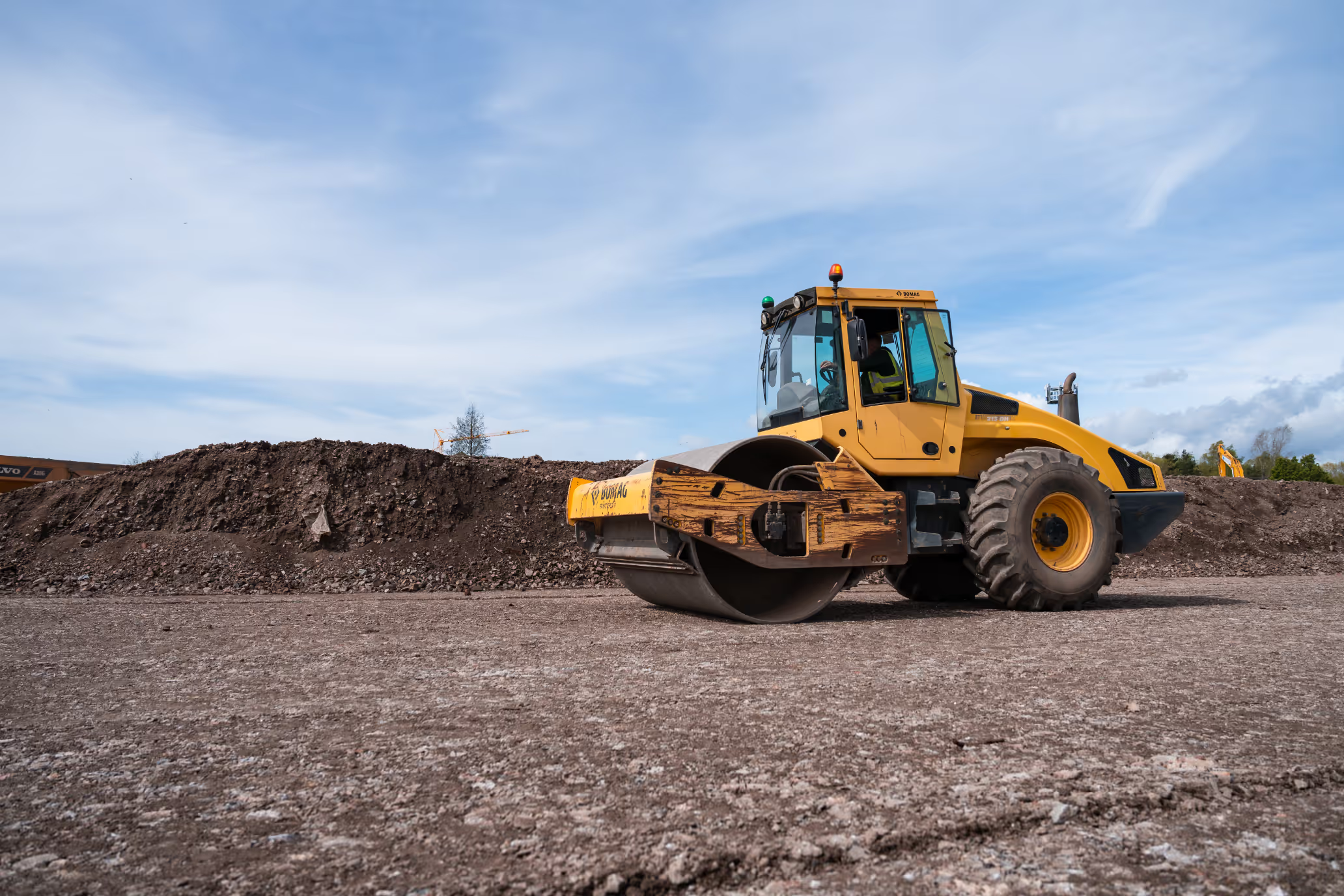
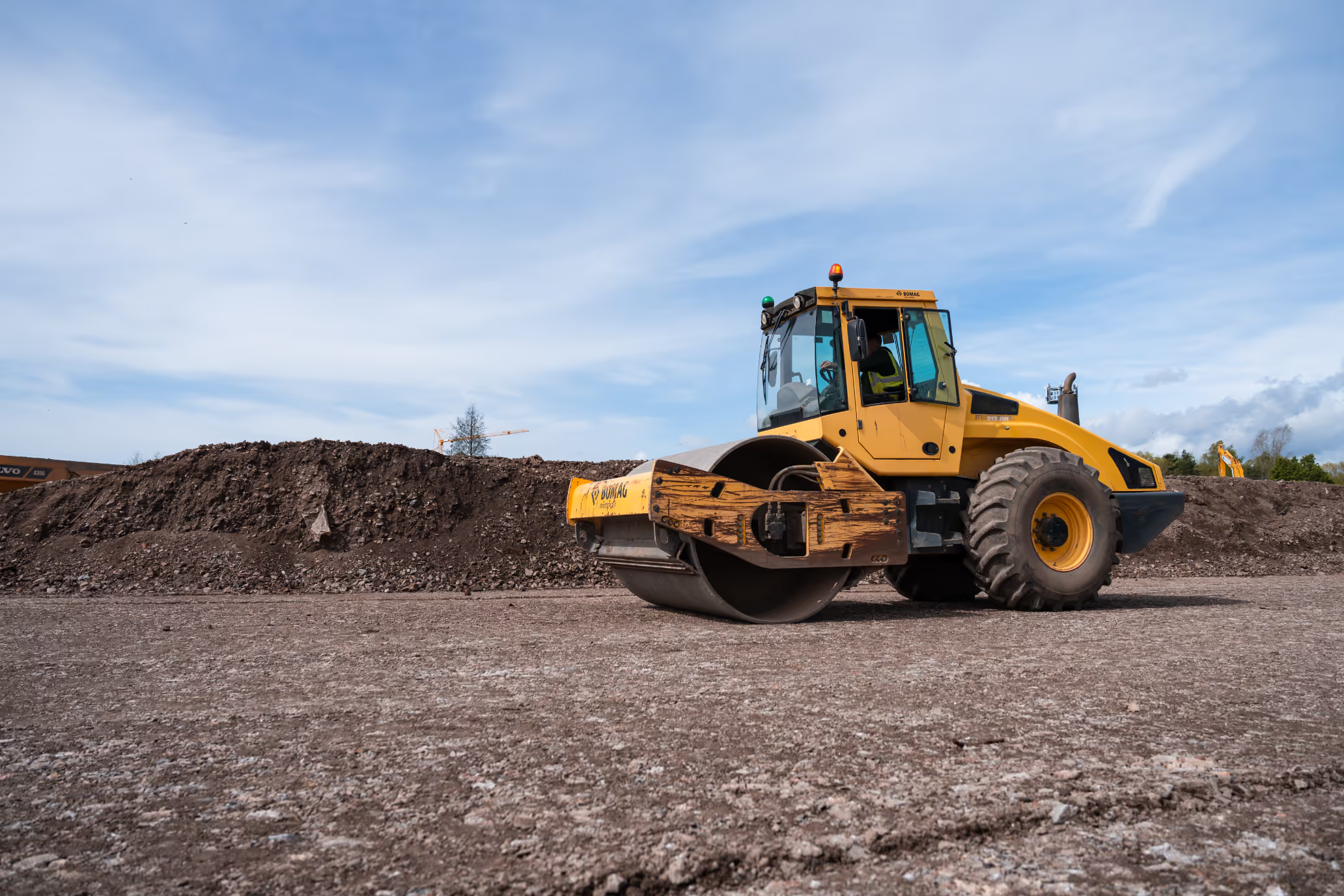
Land farming involves spreading excavated contaminated soils in a thin layer on the ground surface(sometimes forming windrows) and stimulating aerobic microbial activity within the soils through aeration and/or the addition of minerals, nutrients, and moisture. If contaminated soils are shallow (i.e., less than 1m below ground surface), it may be possible to effectively stimulate microbial activity without excavation. Land farming has been proven effective in reducing concentrations of nearly all the constituents of petroleum products typically found at underground storage tank sites.
Biopiles
Biopiles involves heaping contaminated soils into piles (or "cells") and stimulating aerobic microbial activity within the soils through the aeration and the addition of minerals, nutrients, and moisture. Biopiles are similar to land farms in that they are both above-ground, engineered systems that use oxygen, generally from air, to stimulate the growth and reproduction of aerobic bacteria which, in turn, degrade the petroleum constituents adsorbed to soil. While land farms are aerated by tilling or ploughing, biopiles are aerated most often by forcing air to move by injection or extraction through slotted or perforated piping placed throughout the pile.
Bioventing
Bioventing is an in-situ remediation technology that uses indigenous microorganisms to biodegrade organic constituents adsorbed to soils in the unsaturated zone. Bioventing is most often used at sites with mid-weight petroleum products such as diesel fuel, as lighter products can be removed more rapidly using SoilVapour Extraction (SVE) whilst heavier products generally take longer to biodegrade.
The activity of the indigenous bacteria is enhanced by inducing air (or oxygen) flow into the unsaturated zone (using extraction or injection wells) and, if necessary, by adding nutrients. The effectiveness of bioventing is determined by the permeability, structure and stratification of the soils, which affect how and where soil vapours will flow within the soil matrix when extracted or injected, and the biodegradability of the petroleum constituents, which affects the rate and degree of metabolisation by the microorganisms.
Site Clearance
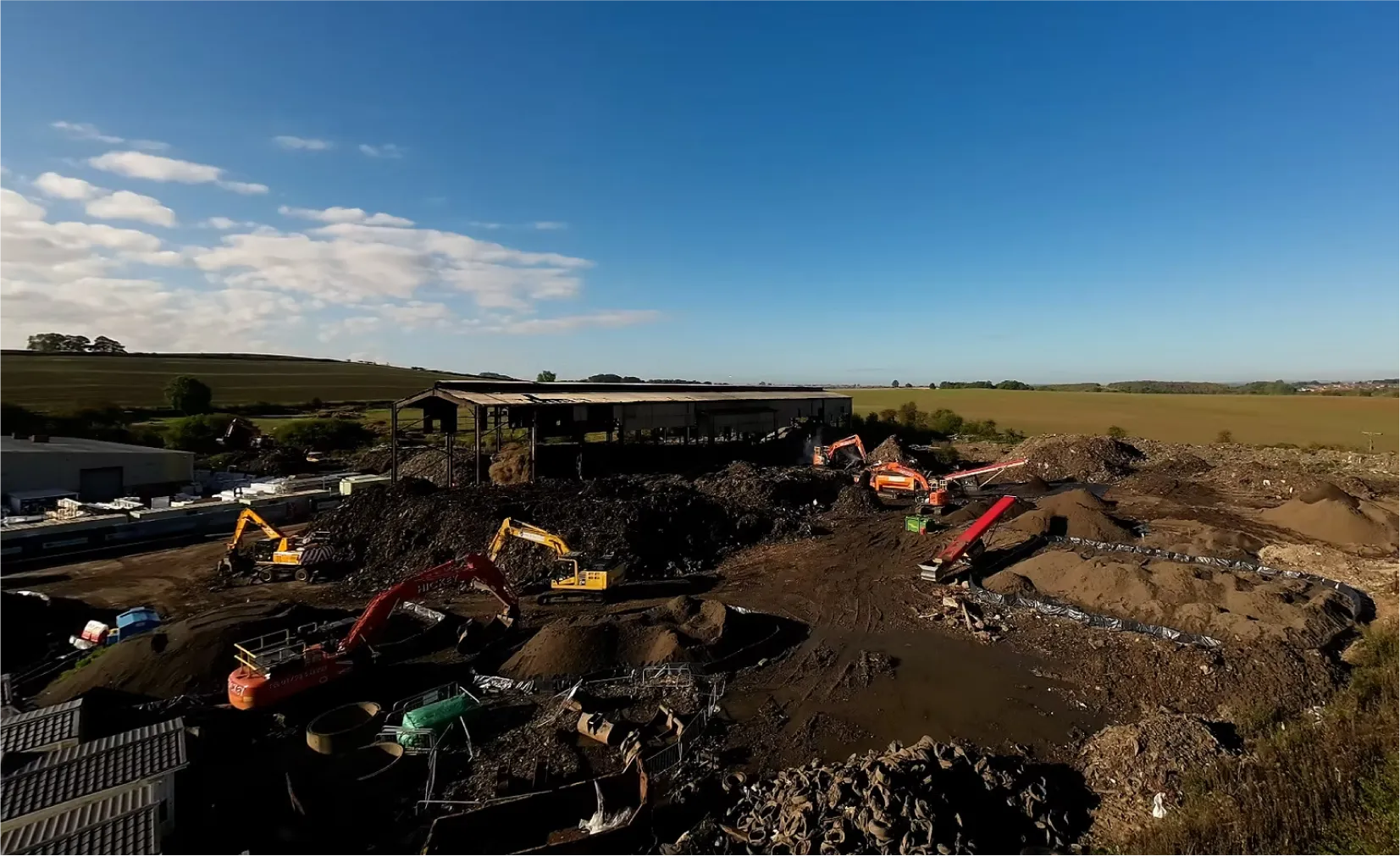
Before work can begin, it is often necessary to clear the site of any existing structures, vegetation, and waste.

Get in touch today


